Research Experience for

 Undergraduates:

Biology of the Greater Salt Lake Ecosystem

Summer 2005


Faculty Mentors


    The Research Experience for Undergraduates in the Biology of the Greater Salt Lake Ecosystem is a program funded by the National Science Foundation and directed by faculty within the College of Science at Weber State University in Ogden, UT.  This NSF-REU Site Program provides support for ten students to conduct full-time (ten weeks) research collaboratively with a faculty mentor from May 23 to July 30, 2005.  

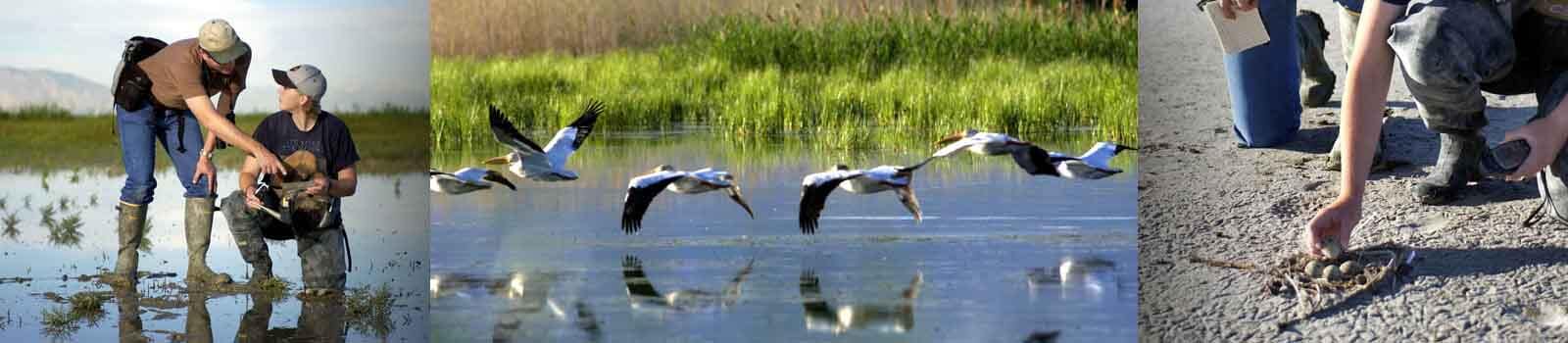
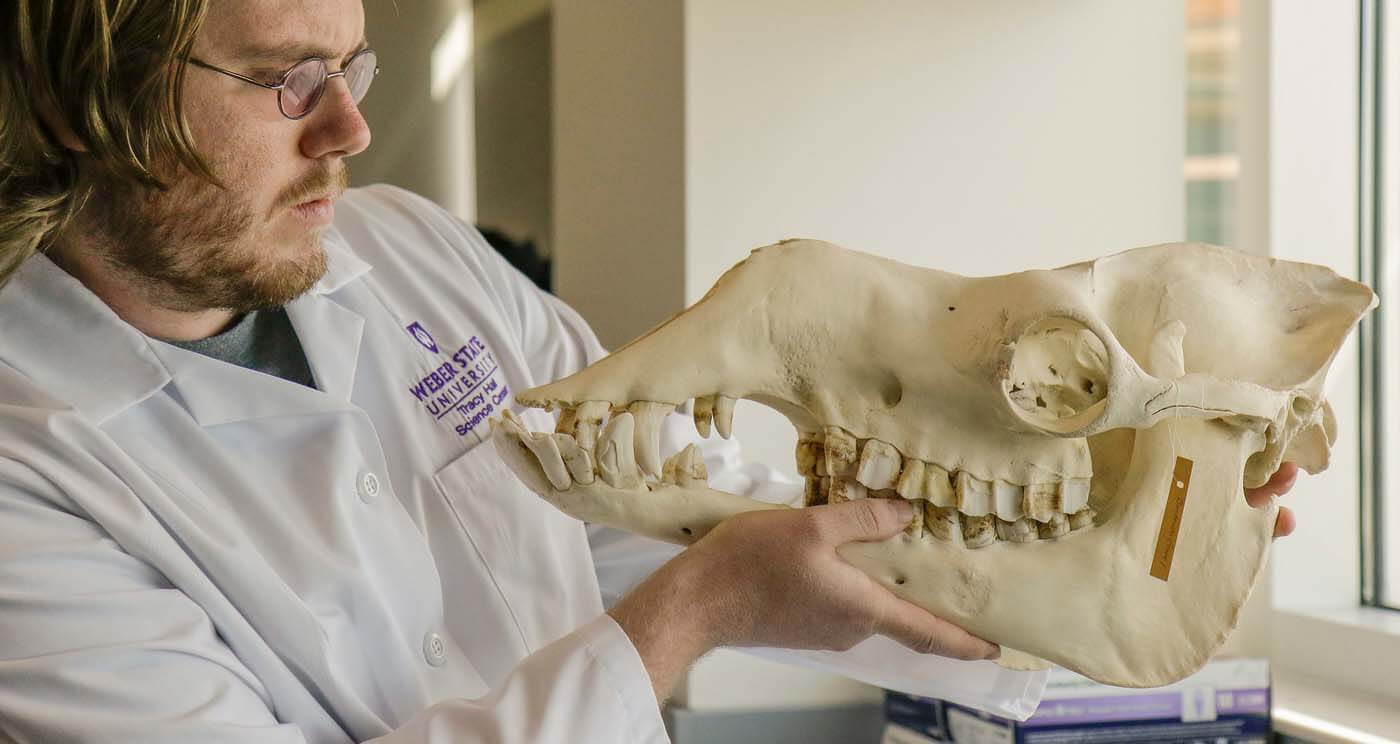
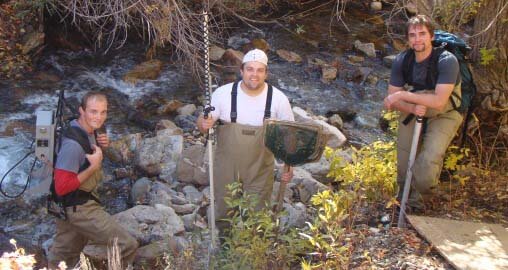
    REU students will receive a $3250 stipend, free housing, and $700 for research expenses.  Students participating in this program will pursue independent research on the biology of the Greater Salt Lake Ecosystem (GSLE) under the supervision of a faculty mentor.  Research will be conducted on a diversity of taxa and at different levels of organization, from the molecular level to the ecosystem level. 

    The Great Salt Lake (GSL) is located in western North America at the eastern edge of the Great Basin. The western boundary of the GSL is bounded by the Great Basin Desert. This area is a vast complex of playas and includes several unique plant species. The eastern boundary of the GSL valley is formed by the Wasatch Range of the Rocky Mountains. The lake is tied to the Wasatch Range by a series of streams and rivers that drain into it. In the desert west, these rivers create ribbons of riparian habitat, which are critical migratory and breeding habitats for a variety of wildlife. Furthermore, these upland areas provide linking habitat types that create the highly productive marsh ecosystems surrounding the lake. The GSLE supports a diverse biota in a unique mosaic of upland, wetland, mudflat, river delta, brackish and freshwater marshes, ephemeral ponds and other habitat types.  Our focus on the biology of the GSLE will foster a sense of community among student researchers who will be engaged in answering questions and testing hypotheses centered on a common theme. In addition, students will gain a working knowledge of, and an appreciation for a unique and important area.

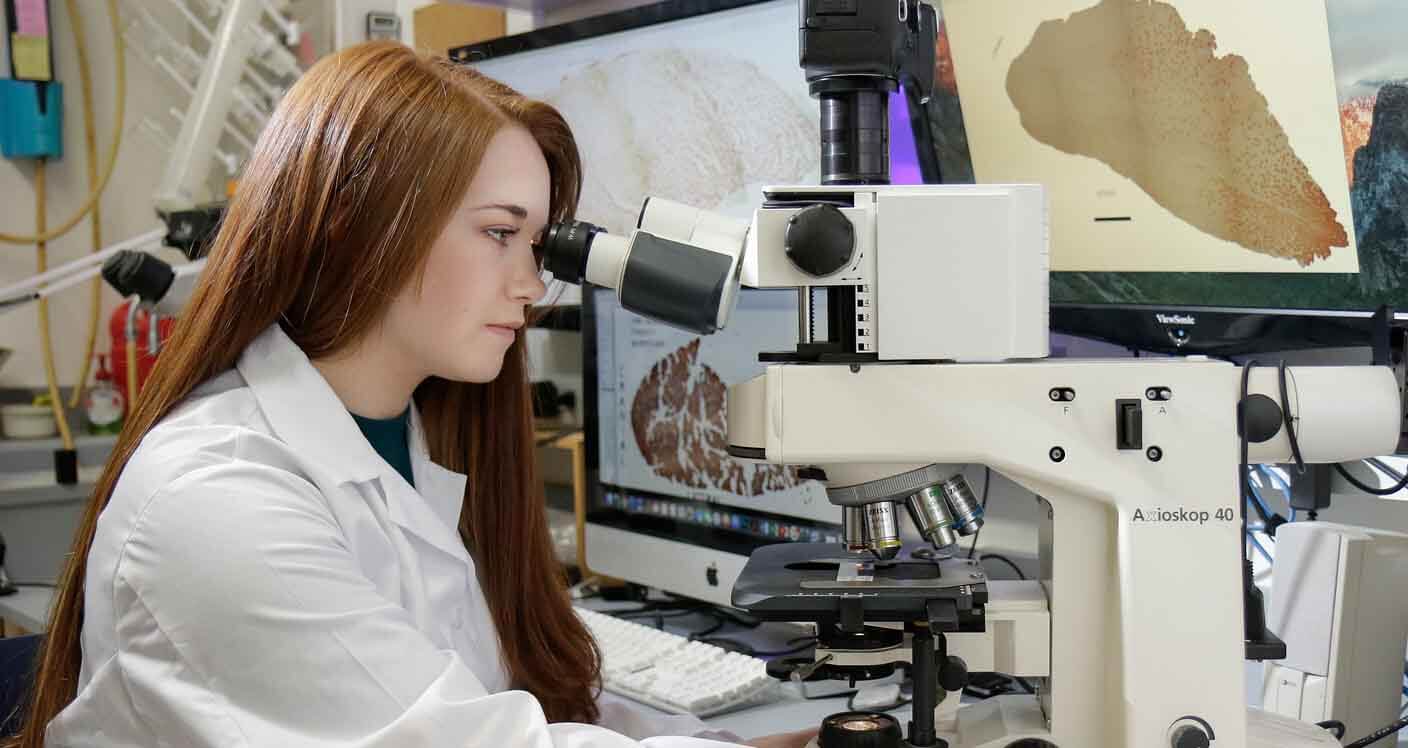
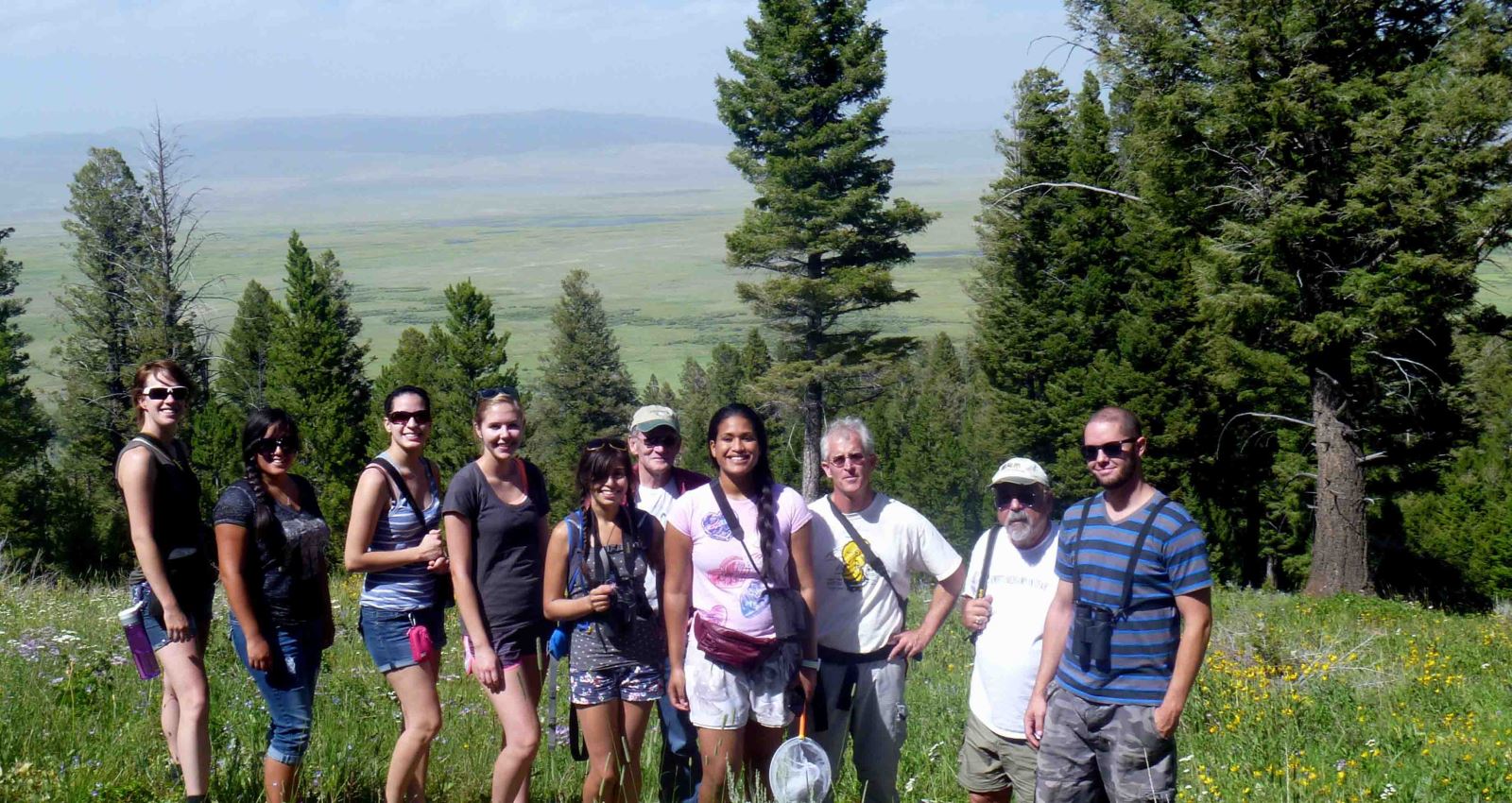
    The REU student will participate in a(n): Orientation, Seminar on the Biology of the Greater Salt Lake Ecosystem, Research Tools Workshop, course on Research Ethics, field trips, social events, and an end-of-program symposium.  Each student will pursue independent research under the supervision of a faculty mentor.  We believe that participation in this REU program will transform students from passive learners to active investigators.  Students will learn the process of science by active involvement in research and come to understand the sense of community that cooperation in research promotes.  The impact of this program is to provide students with the opportunity to design and conduct research, assess their desire toward graduate school and gain first hand knowledge of the application of the scientific method.  After the summer program, students and mentors completing projects will have the opportunity to attend a professional meeting in the winter or spring.  This will allow students to present their research to national or international audiences.

    Women, underrepresented minorities, nontraditional students, and students from institutions where research opportunities are limited are strongly encouraged to apply.   For questions or further information please contact the Project Directors, Dr. John F. Cavitt, at 801-626-8541 (jcavitt@weber.edu) or Dr. Ron Meyers, at 801-626-6170 (rmeyers@weber.edu). 


Assessment 1

Assessment 2

Assessment 3

Assessment 4

Summer 2004 Program